
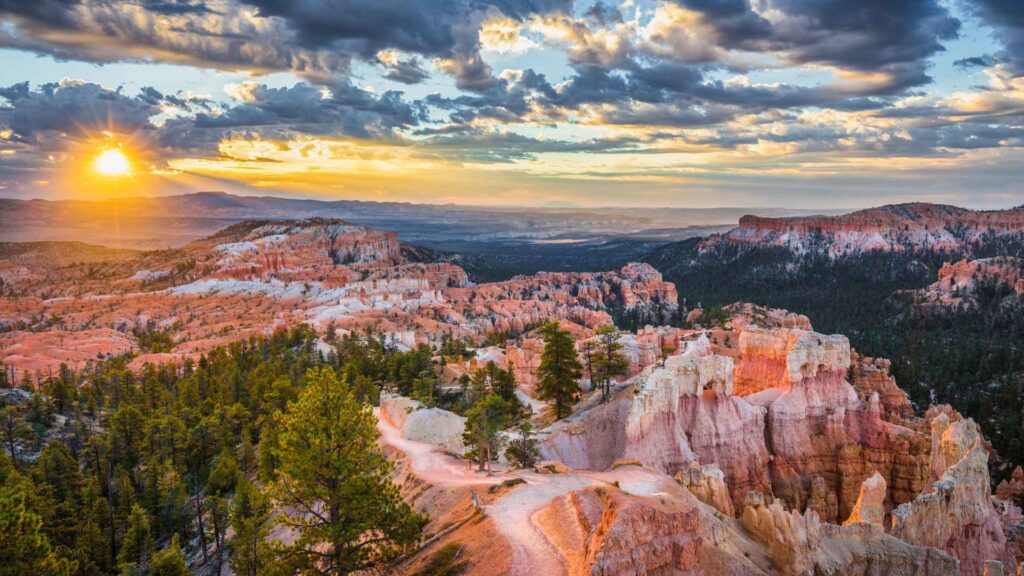
Five days is enough time to see Utah’s Mighty 5 national parks. It is not enough time to experience each one deeply. That’s the real planning question behind this trip. Do you want to check off all five parks, or give more time to the hikes, drives, and hotels that matter most to you.
This guide walks through both options, so you can decide what actually fits how you want to travel.
Can You Really See All Five Utah National Parks in Five Days?
Yes, technically. Zion, Bryce Canyon, Capitol Reef, Arches, and Canyonlands sit close enough together that a five-day loop is possible without excessive backtracking.
But covering all five means moving almost every day. You’ll spend real hours driving, checking in and out of hotels, and choosing efficiency over depth at each stop. Five days works well if you want a broad overview. It works less well if you want to actually sit with a landscape and take your time.
The Trade-Off: Seeing All Five vs Experiencing Fewer Parks
This is the decision that shapes everything else. There are two honest paths here.
- Covering all five parks means shorter visits at each stop, more driving, and hotel changes almost every night. You leave with a broad sense of Utah’s landscape variety, but less time in any single park.
- Choosing three parks means longer stays, fewer hotel changes, and room for a slower pace, an extra hike, or a sunrise you’re not rushing to catch. You leave with a deeper feel for fewer places instead of a wide but shallow tour.
Neither choice is wrong. It depends on whether you’re drawn to breadth or depth on this particular trip.
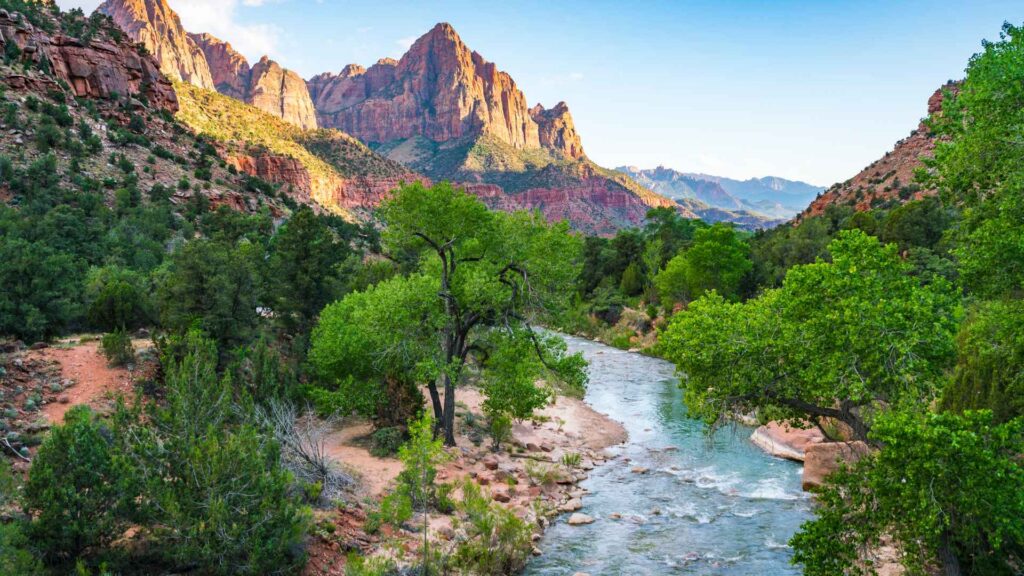
Day 1: Zion
Zion is often the most logistically demanding park on this route. Shuttle access, trail permits, midday heat, and crowds all affect how the day actually unfolds, more than they do at the other four parks.
Angels Landing requires a permit booked well in advance, and the Emerald Pools trail gets crowded fast once the shuttle line starts moving. If you want a slower start, a private guide, or simply fewer people on the trail, plan your entry time and hotel location around that.
Staying inside Springdale means walking into the park entrance without relying on outside transportation, which matters most if you want early access before the heat and crowds build.
Day 2: Bryce Canyon
Bryce works particularly well as a shorter stop. Many of its signature views, including Sunrise Point and Sunset Point, are accessible without committing to a full-day hike.
That makes Bryce a good place to preserve time rather than race through it. A morning at the rim, a short walk along the Navajo Loop Trail, and you’ve seen what makes Bryce distinct, without needing to fill the entire day.
Day 3: Scenic Byway 12 and Capitol Reef
The drive from Bryce to Capitol Reef deserves more credit than a simple transit line between two parks. Scenic Byway 12 is considered one of the most striking drives in the country, and treating it as dead time misses part of the trip.
Build in stops for photography, a slower lunch, or a viewpoint pull-off rather than pushing straight through. Capitol Reef itself sees far fewer visitors than Zion or Arches, which makes it a good candidate for a quieter afternoon once you arrive. The Fruita Historic District and Hickman Bridge Trail are both manageable without an early start.
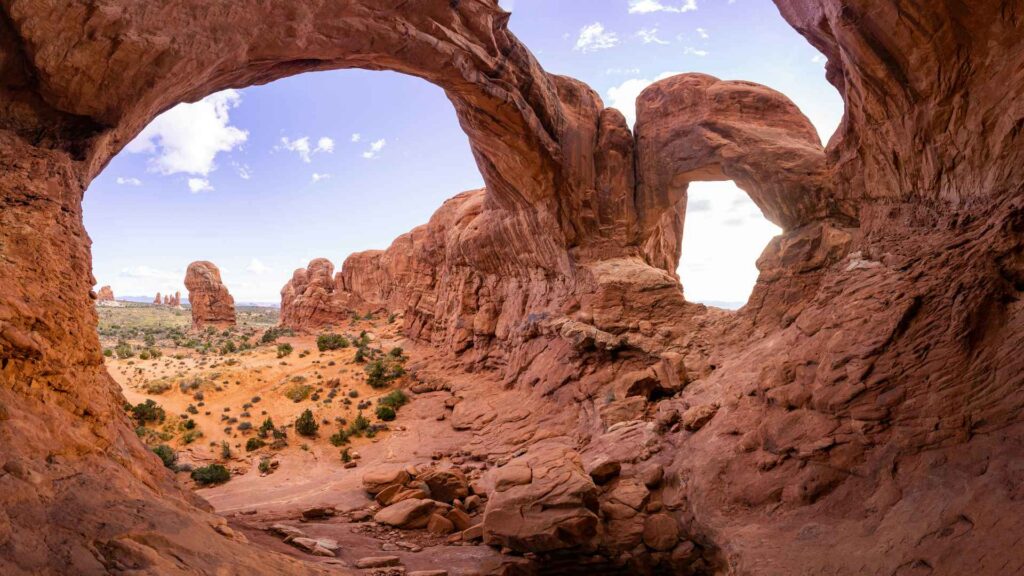
Day 4: Arches
Arches has the tightest logistics of the trip during peak season. Timed entry reservations are often required, and midday heat can make hiking to Delicate Arch uncomfortable if you’re not planning around it.
Sunset tends to draw the biggest crowds at Delicate Arch, so if photography or a quieter experience matters more to you than the classic golden-hour shot, an early morning visit is worth considering instead. Moab, where you’ll likely stay, offers more dining and hotel variety than the smaller towns near the earlier stops.
Day 5: Canyonlands
Canyonlands is large and split into distinct districts, but a short visit works well if you focus on Island in the Sky, the section closest to Moab.
Mesa Arch at sunrise is the classic shot here, though it draws a crowd for exactly that reason. Grand View Point and Green River Overlook offer similar drama with far fewer people. This is a good half-day close to the trip before heading back to Moab or your departure city.
Where Comfort Matters Most on This Road Trip
The current pace has you changing hotels almost every night, which is efficient on paper but adds real friction in practice. Constant packing, checking in, and checking out eats into time you could spend actually enjoying the parks.
A few things worth weighing before you book:
- Stay near the park when early access matters. This applies most at Zion and Arches, where beating the crowds changes the entire day.
- Choose a resort-style property when recovery time matters. After several days of hiking in heat, a larger room or a pool can make a real difference.
- Consider whether changing hotels every night is worth it. Fewer moves mean more time in each place and less time spent on logistics.
Does seeing all five parks justify four hotel changes in five nights? For some travelers, yes. For others, cutting one stop and staying longer somewhere else makes for a better trip.
When We Would Recommend More Than Five Days
Five days works as a broad overview. It doesn’t leave much room for weather delays, an extra hike you didn’t plan for, or simply slowing down once you’re there.
If hiking ability is limited, if you want time for a guided experience at one or more parks, or if photography is a priority and you want flexibility around sunrise and sunset timing, seven days gives you meaningfully more breathing room without adding a sixth park to the list.
What a Luxury Travel Advisor Would Adjust for You
A few factors change what the right itinerary actually looks like, and they’re worth thinking through before booking anything:
- Travel dates and heat tolerance. Summer requires early starts and real heat management. Spring and fall are more forgiving.
- Hiking ability and hotel standards. These shape how much ground you can realistically cover each day, and how much recovery time you need.
- Photography priorities. Chasing sunrise at Mesa Arch or sunset at Delicate Arch changes your schedule and your energy for the rest of the day.
- Arrival and departure airports. Starting in Las Vegas or Salt Lake City changes your drive times and the order of your stops.
This kind of pacing and trade-off planning is where our services go beyond a standard itinerary, and it applies just as much to a national parks trip as it does to a longer adventure travel itinerary.
Frequently Asked Questions
Is five days enough for Utah’s Mighty 5?
Yes, technically, though it means shorter visits and frequent hotel changes. Seven days allows more time at each park without adding a sixth stop.
Which Utah national parks deserve the most time?
Zion and Arches tend to need the most planning around crowds and entry timing. Capitol Reef and Bryce work well as shorter, quieter stops.
Should you visit all five parks or choose three?
It depends on whether you want breadth or depth. Covering all five gives variety with less time in each. Choosing three allows a slower pace and fewer hotel changes.
Where should you stay for a more comfortable Utah road trip?
Stay near the park entrance when early access matters, and consider a resort-style property when you want recovery time after long hiking days.
Do you need a private guide for any of the parks?
Not required, but a guide can help with permit-dependent hikes like Angels Landing or with navigating crowds and timing at Arches.
Is it better to start in Las Vegas or Salt Lake City?
Las Vegas is the more common starting point and sits closer to Zion. Salt Lake City works better if your trip continues north afterward.
The Bottom Line
Utah’s Mighty 5 can fit into five days, but that doesn’t mean every traveler should do it that way. The best route depends on how much you want to hike, how often you want to change hotels, and how much space you want between drives. The Edited Traveler plans around those choices first, then builds the route around you. Begin your inquiry when you’re ready to plan your trip.