
A luxury Caribbean vacation begins with three decisions: the right island, the right resort, and the right room. Each one changes the experience more than a long list of activities.
The Caribbean is not a single type of destination. Some islands are made for travelers who want to stay at a polished resort and rarely leave. Others reward exploration, restaurant reservations, sailing days, or time split between two distinct areas. A property that is perfect for a honeymoon may frustrate a family. A room category that sounds appealing may be far from the beach, short on privacy, or wrong for the group’s sleeping needs.
The best plan starts with how you want the trip to feel, then narrows the choices with practical detail.
Start With the Purpose of the Trip
Before comparing islands, define the reason for traveling.
A honeymoon may call for privacy, a beautiful room, a strong sense of occasion, and very few scheduled commitments. A multigenerational trip may need connecting rooms, simple transfers, calm swimming, flexible dining, and activities that work across ages. A friends’ getaway may depend on a villa-style layout, a lively bar, a spa with enough appointment capacity, and a destination that offers more than the resort.
The same family may want a different Caribbean island for spring break than for a milestone birthday.
Useful Planning Questions Include:
Who is traveling, and what are their ages?
How many rooms or bedrooms are needed?
Does anyone have mobility, dietary, or medical considerations?
Is the priority beach time, privacy, food, nightlife, water sports, golf, or exploration?
Do travelers want an all-inclusive stay or prefer to dine around?
How much transfer time feels reasonable after the flight?
Is the hotel expected to carry the entire vacation?
These answers quickly eliminate choices that looked attractive but were never a true fit.
How to Choose the Right Caribbean Island
Island selection should come before resort selection because geography sets the terms of the trip.
Flight Access and Transfer Time
A direct flight can be worth more than a slightly better room, particularly for a short trip or a family traveling with young children. Some islands have convenient international airports and a straightforward drive to the main resort areas. Others require a connection, ferry, small aircraft, or longer road transfer.
None of these options is inherently wrong. The question is whether the journey matches the length and purpose of the vacation.
For a four-night escape, a complicated arrival can consume too much of the trip. For a ten-night honeymoon, a more remote island may provide exactly the separation travelers want.
Beach Conditions
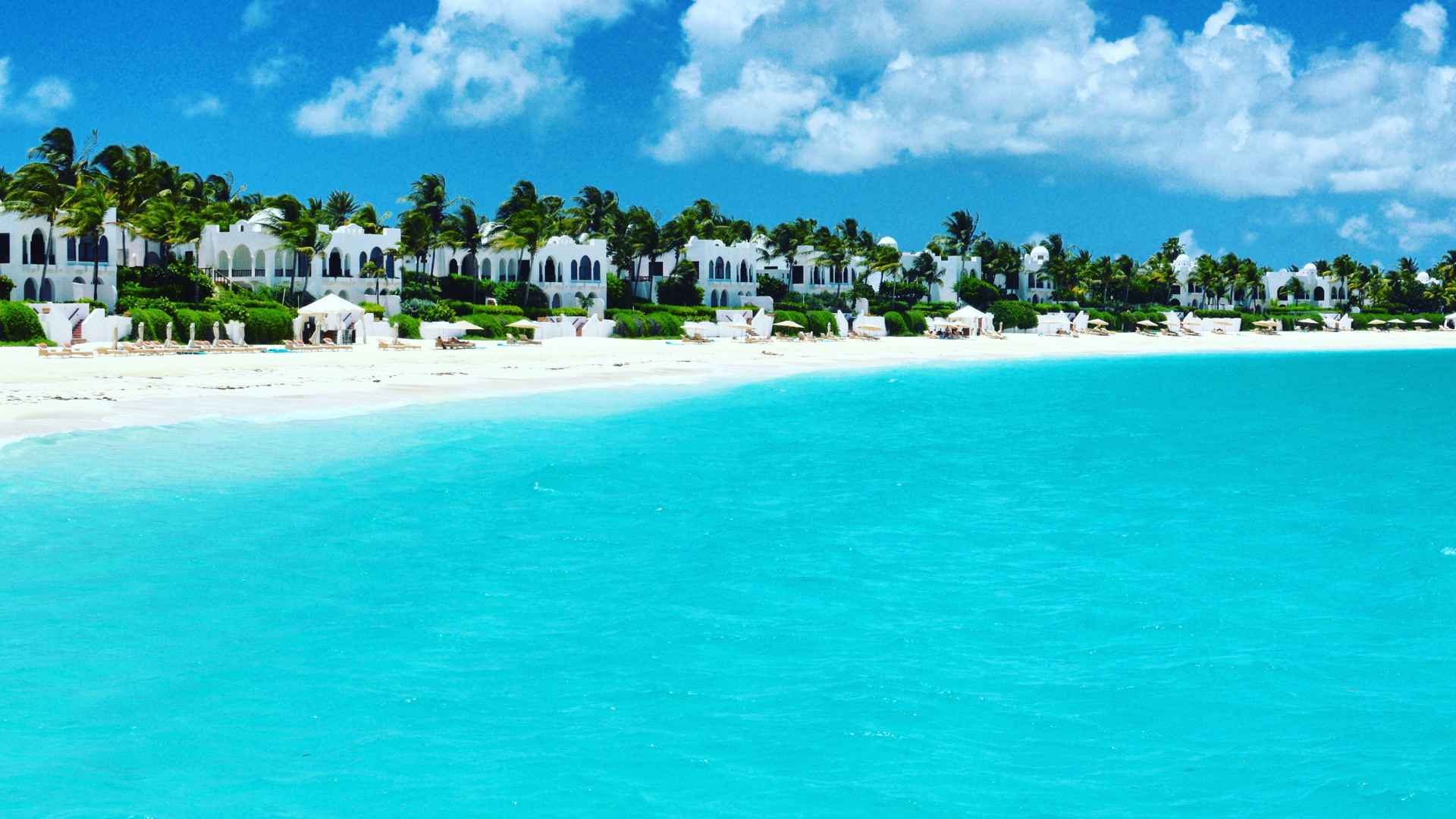
“Beachfront” does not tell you whether the water is calm, the shoreline is wide, the sand is soft, or the beach is comfortable for swimming.
Conditions can vary by island, coast, season, and even the position of one resort within a bay. Families may prioritize gentle entry and protected water. Strong swimmers may care more about snorkeling or water sports. Some travelers want long walks; others want a private cove.
Ask what kind of beach experience matters instead of treating every ocean view as equal.
Dining and Life Beyond the Resort
Some travelers want to put away their shoes, settle into one property, and make very few decisions. Others become restless if every meal and activity takes place inside the resort.
An island with strong independent restaurants, beach clubs, shops, galleries, and easy day trips suits the second group. A more secluded resort may be a better answer for the first.
If dining beyond the hotel is important, location matters. A resort can be exceptional and still feel inconvenient if every dinner requires a long transfer.
Atmosphere and Scale
The islands differ in size, density, landscape, cultural mix, and social energy.
Some feel polished and social. Some feel green, mountainous, and exploratory. Others are quiet, low-rise, and beach focused. Certain destinations are known for villas and private residences, while others have a deeper bench of full-service resorts.
The right atmosphere is personal. A traveler seeking complete quiet may find a lively island distracting. A group that enjoys choice may find an isolated resort too limiting.
Choose the Resort for How You Will Use It
Once the island is right, compare resorts through the lens of the actual stay.
Do not begin with a ranking. Begin with function.
For a Resort-Centered Vacation
When most days will be spent on property, the resort must offer enough variety without requiring constant planning.
Review the number and style of restaurants, pool atmosphere, beach setup, spa, fitness facilities, water sports, children’s programming, and evening energy. Look at how far rooms are from the beach and main facilities. Consider whether the property feels intimate or spread out.
A beautiful resort can still feel repetitive if its dining and activity options do not match the length of stay.
For an Exploratory Vacation
If the plan includes restaurants, sailing, hiking, shopping, or cultural experiences, location and transportation may matter more than the size of the resort.
A smaller property with excellent service and easy access to the island may produce a better trip than a large resort with every amenity. The hotel becomes a comfortable base rather than the whole destination.
For families and groups
Families should look beyond a generic “family-friendly” label.
Confirm room layouts, connecting guarantees or requests, rollaway policies, bathroom count, pool access, beach conditions, children’s programming, babysitting availability, and dining flexibility. For groups, check whether the property can keep rooms reasonably close and whether restaurants can accommodate the party without turning every dinner into an event.
The organizer should not spend the trip coordinating basic logistics.
For Couples and Celebrations
Couples may prioritize privacy, adult-oriented spaces, strong dining, and a room that feels distinctive. A resort that serves families can still be romantic if its layout creates quiet areas and the chosen room is well positioned.
Celebration planning should focus on a few meaningful moments: a private dinner, a boat day, a spa experience, or a room setup. Filling every day can dilute the reason for the trip.
All-inclusive or traditional resort?
The right answer depends on travel style, not a universal rule.
An all-inclusive resort can make costs easier to anticipate and reduce daily decisions. It may be especially useful for groups with different spending preferences or families who want meals and activities close at hand.
A traditional resort can offer more freedom for travelers who enjoy dining around, exploring the island, or choosing experiences individually. It may also provide a broader range of restaurant and service styles, depending on the destination.
Compare what is included carefully. Airport transfers, premium beverages, specialty restaurants, water sports, spa treatments, and off-property experiences may be treated differently from one resort to another.
The lowest-friction option is the one whose structure matches how the group likes to travel.
How to Choose the Right Room Category
Room selection is where many Caribbean trips are either refined or compromised.
Ocean View, Oceanfront, and Beachfront Are Not Interchangeable
An ocean-view room may face the water from a distance or at an angle. Oceanfront usually indicates a position closer to the shore, but it does not always mean direct beach access. Beachfront may place the room nearest the sand, though landscaping, public paths, or resort activity can affect privacy.
Ask for the property’s exact category distinctions and a location map when available.
Pool Rooms and Plunge Pools
A private pool can be valuable for families, couples, and travelers who spend time in the room. But it may come with tradeoffs such as reduced privacy, shade, colder water, or a location farther from the main beach.
For families with young children, immediate pool access also changes the supervision needs. The feature should support the trip, not simply look appealing in photographs.
Suites, Villas, and Residences
A larger category is not always a better category. A suite may provide a separate living room but only one enclosed bedroom. A villa may have excellent communal space but require transportation to the beach. A residence may include a kitchen and laundry, which can be more valuable for a family than a formal suite.
Confirm the number of true bedrooms, bed types, bathrooms, indoor and outdoor living areas, stairs, and distance to resort facilities.
Connecting rooms. Connecting rooms can be essential for families, but hotels vary in whether they guarantee or only request them. The room categories that connect may also be limited.
This detail should be resolved early, especially during popular school-break periods.
Location Within the Resort
Two rooms in the same category can create different experiences.
One may be close to the pool and convenient for children but noisier during the day. Another may be quieter with a better sunset view but require a longer walk. Ground-floor beach access can be useful, while an upper floor may offer more privacy and a broader view.
Good room selection balances view, privacy, convenience, and the travelers’ daily habits.
Plan the Transfers Before Finalizing the Hotel
Transfers are part of the trip, not an administrative afterthought.
A resort may require a car, boat, ferry, or small aircraft after the international flight. Weather, arrival time, luggage limits, and the age or mobility of travelers can affect which option is sensible.
Late arrivals deserve special care. If the final transfer does not operate at night, an airport hotel or first-night plan may be necessary. If a boat transfer is involved, travelers should understand the boarding process and sea conditions.
For a short Caribbean vacation, an elegant transfer plan protects valuable time.
Create a Pace That Fits the Destination
The Caribbean invites overplanning because there are many appealing excursions. A better itinerary usually alternates active and open days.
A seven-night trip might include one private boat day, one land-based experience, a special dinner, and plenty of unassigned time. Travelers can add spontaneous activities, but the schedule never makes the resort feel like an expensive place to sleep.
Arrival day should stay light. The first full day often works best without an early departure. Boat and weather-dependent activities should have enough flexibility to move when necessary.
The objective is not to avoid experiences. It is to preserve the restorative quality that brought travelers to the Caribbean.
Budget for the Complete Vacation
A meaningful budget includes more than room rate.
Account for taxes, resort fees, transfers, meals, beverages, excursions, spa treatments, childcare, tips, and any inter-island travel. Holiday and school-break dates can affect both price and availability.
Prioritize the details that shape every day. The right room layout, beach, and location often provide more value than adding multiple one-time activities.
A travel advisor can also help compare what different rates include and whether a preferred hotel program may offer benefits. Amenities and upgrades depend on the property, program, rate, and availability, so they should never be treated as guaranteed without confirmation.
When to Plan a Luxury Caribbean Vacation
The right lead time depends on dates, destination, room category, and group size.
Festive periods, spring break, and other high-demand weeks require earlier planning, particularly for villas, multi-bedroom accommodations, and connecting rooms. Honeymoon suites and distinctive beachfront categories may also be limited.
If the trip involves a group, begin before the group chat becomes a voting exercise. Establish the purpose, budget range, room needs, and non-negotiables first. Then present a small set of edited choices.
Clarity speeds decisions and protects availability.
A Practical Caribbean Planning Checklist
Before booking, confirm:
The island matches the desired pace and activities
Flight and transfer logistics work for every traveler
The resort has the right dining, beach, pool, and service style
The room category has the correct layout, view, privacy, and location
Connecting rooms or villa arrangements are clearly documented
The rate inclusions and cancellation terms are understood
Weather-dependent plans have flexibility
The itinerary includes open time
Dietary, mobility, and family needs have been communicated
The total trip budget includes transfers, meals, and experiences
How The Edited Traveler plans Caribbean vacations
Caribbean planning is an exercise in fit.
The Edited Traveler begins with the travelers: who is going, why the trip is happening, how they like to spend a day, and which details would make the vacation feel easy. From there, we narrow the islands, hotels, and room categories before building transfers and selected experiences around the stay.
VIP Hotel Booking can suit travelers who know the destination and want help choosing and reserving the right property. Essential Itinerary Planning can support a focused island stay with hotels, transfers, and curated experiences. Signature Itinerary Planning is designed for more complex journeys, while Family and Group Travel Planning addresses rooming, shared logistics, and individual traveler needs.
Explore The Edited Traveler’s planning services: https://theeditedtraveler.com/services/
Ready to choose the Caribbean island, resort, and room that fit your trip? Begin your private trip inquiry: https://theeditedtraveler.com/trip-inquiry/
Frequently Asked Questions
What is the best Caribbean island for a luxury vacation?
There is no single best island. The right choice depends on flight access, preferred beach conditions, dining interests, desired privacy, resort style, and whether travelers want to explore beyond the hotel.
Is an all-inclusive resort worth it in the Caribbean?
It can be. All-inclusive resorts work well for travelers who value predictable costs and fewer daily decisions. Traditional resorts may be better for guests who want to dine around and explore independently. Compare inclusions and travel style, not only price.
How many nights should I spend in the Caribbean?
For many travelers, five to seven nights creates a comfortable balance. A short stay favors an island with simple access. Longer trips can justify a more remote resort, a larger itinerary, or a carefully planned two-island combination.
Should I book an ocean-view or beachfront room?
Choose based on how you will use the room. Beachfront can offer convenience, while an elevated ocean view may provide more privacy and a broader outlook. Ask about the exact location because category names vary by hotel.
When should I book a Caribbean vacation?
Book earlier for festive dates, spring break, multi-bedroom villas, connecting rooms, and distinctive suites. Flexible dates and standard rooms may allow a shorter lead time, but early planning provides a stronger range of choices.
Can a travel advisor help with hotel perks?
A travel advisor may have access to preferred programs that can include benefits at participating hotels. The exact amenities, eligibility, and upgrades vary by property, program, rate, and availability and should be confirmed for the specific booking.
The Edited Traveler
Let’s plan your trip
Tell me where you want to go, who is traveling and what matters most. I’ll come back with hand-picked hotels, VIP perks where available (often upgrades, daily breakfast and hotel credits) and a plan built around how you like to travel.
Not ready yet? Get the free VIP hotel perks guide. Prefer email? Write to Jared@TheEditedTraveler.com.
Jared Goldstein, Founder and Lead Advisor, Los Angeles.