

A luxury Caribbean vacation starts with choosing the right island for the traveler. Flight access, resort layout, beach conditions, and dining options can change the experience. Winter demand also affects room availability and pricing.
This guide explains the decisions that matter before choosing a resort. It compares island styles, accommodations, travel time, and practical winter conditions.
Choose the Island Before Choosing the Resort
Caribbean islands are not interchangeable. Some offer large resorts and direct air access. Others suit travelers seeking privacy, independent restaurants, or a quieter pace.
Begin with the trip purpose and the people traveling. A couple planning five quiet nights needs a different setup from a family traveling during school holidays.
Match the Island to the Daily Experience
The island shapes what happens beyond the hotel. Barbados combines beaches with restaurants, historic areas, and island exploration. Anguilla suits travelers focused on beaches, smaller resorts, and relaxed dining.
Saint Lucia adds mountain scenery and active days. Turks and Caicos often appeals to families and beach-focused travelers. Each choice creates different transport, dining, and room requirements.
Check Whether the Island Works for the Available Time
A seven-night trip can support a longer flight or a more involved transfer. A four-night escape needs simpler access. Otherwise, the journey can use too much of the vacation.
Review the full route from home to hotel. Include connection time, immigration, baggage collection, ground transport, and any boat transfer.
Compare Winter Weather With the Trip Priorities
Winter is a popular Caribbean travel period, but conditions still vary by island. Rain, wind, sea conditions, and local geography can affect swimming and boating.
The Atlantic hurricane season officially runs from June through November, according to the National Hurricane Center. Winter travel falls outside that formal season, but weather remains variable.
Ask What Good Weather Needs to Support
Travelers often say they want reliable sunshine. The more useful question concerns the activities that matter most.
Calm water for swimming with young children.
Reliable conditions for sailing, diving, or fishing.
Comfortable afternoons for hiking or island touring.
A beach orientation that suits the expected wind.
No planner can guarantee weather. However, island choice, resort location, and flexible scheduling can support the activities travelers value most.
Protect Plans That Depend on Sea Conditions
Boat transfers and private charters depend on weather and operating decisions. Avoid placing an important flight connection behind a tight boat schedule.
Keep alternatives for weather-sensitive days. Spa time, local dining, cultural visits, and flexible resort activities can prevent one change from affecting the whole stay.
Decide Between a Resort and a Villa
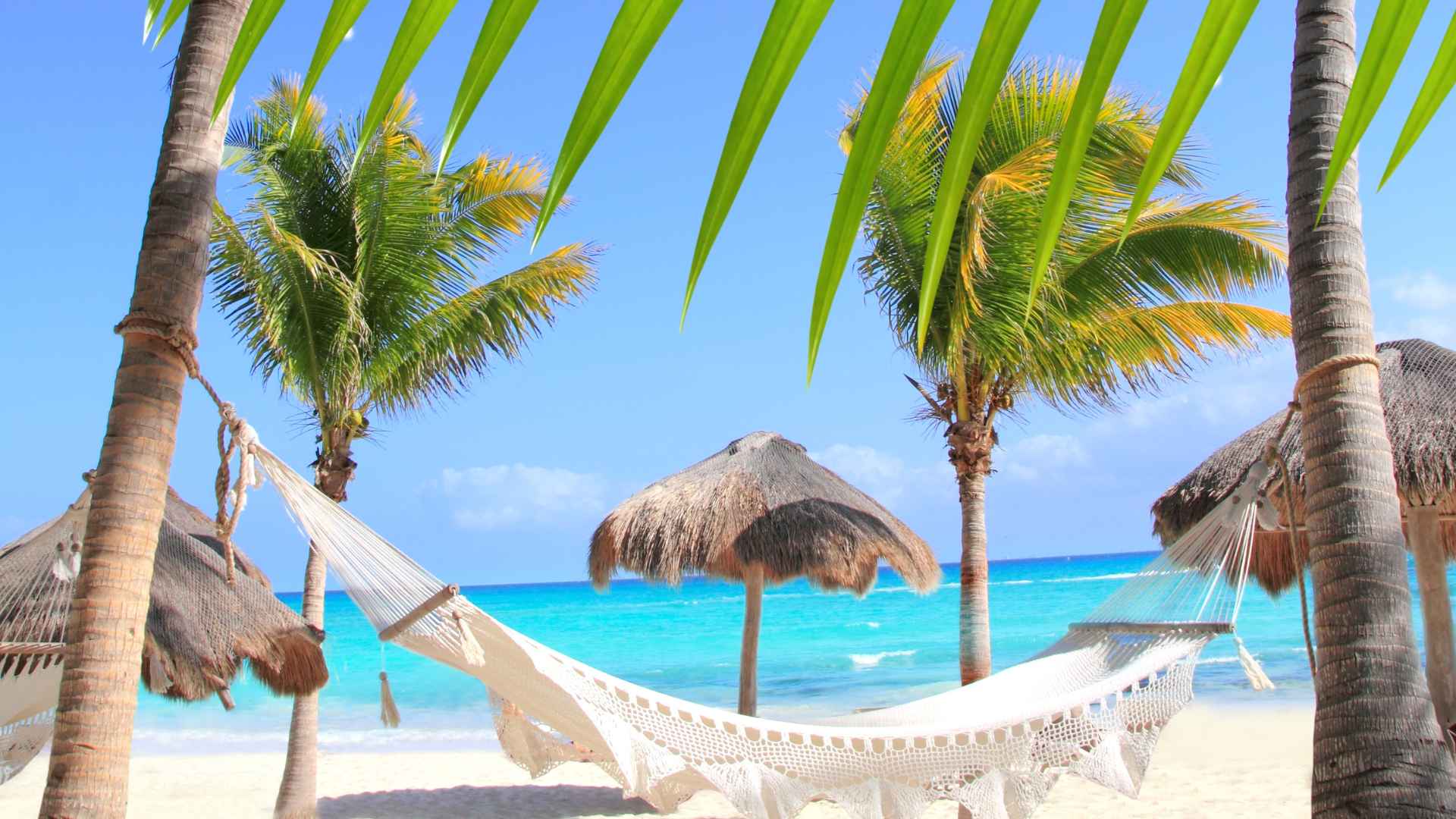
The accommodation format changes how the trip works each day. Resorts offer shared facilities and organized services. Villas provide privacy but may require more planning.
A Resort Can Simplify Shorter Stays
A resort may suit travelers who want dining, pools, beach access, and activities in one place. It can also simplify family logistics and short winter breaks.
Still, large properties vary by building and room location. Review walking distances, elevators, beach access, pool noise, and transport within the resort.
A Villa Works Best With a Clear Service Plan
A villa can give families or groups more privacy and shared space. Yet the experience depends on staffing, meal arrangements, transport, and access to nearby services.
Confirm what the rate includes. Ask who handles groceries, housekeeping, maintenance, and urgent issues. Also check whether daily transport requires a driver or rental vehicle.
Choose the Room Setup Around the Travelers
Room category can matter as much as the property. Bedding, privacy, accessibility, and distance between rooms affect daily comfort.
Families should confirm how rooms connect. Couples may care more about quiet, outdoor space, or beach access. Groups often need a useful shared area.
Questions for Families
Family accommodations need clear answers before payment. Use these checks when comparing suites, connecting rooms, and villas.
Is the connection between rooms confirmed or only requested?
Can children sleep while adults use another area?
How far is the room from pools, dining, and the beach?
Does the bathroom setup work for the group?
Questions for Couples and Groups
Couples and groups may value different details. A romantic view may bring noise, while a larger villa may create transport needs.
How much time will travelers spend at the property?
Will outdoor space be used every day?
Does the group need privacy or more shared space?
Which location reduces the most daily travel?
Plan Flights and Transfers as One Route
Air access can change by season and departure city. A route that looks simple may still involve an early connection or long airport wait.
Check schedules again before booking. Airlines can adjust seasonal service. Travelers should also review current destination guidance through the U.S. Department of State.
Review the Arrival Day
A late arrival can reduce the value of the first night. It can also complicate villa check-in, dinner, and boat transfers.
For shorter trips, a practical arrival often matters more than saving a small amount on airfare. Compare the complete day, not only the ticket price.
Leave Enough Time Before the Return Flight
Island airports can become busy during winter weekends and holidays. Ground travel may also take longer than expected.
Avoid a tight final morning when possible. Confirm transfer timing with the hotel or local operator and review airline guidance before departure.
Book the Parts With the Least Flexibility First
Winter availability does not disappear at the same speed across every trip component. Large villas, connecting rooms, and preferred suites often have fewer alternatives.
Start with the elements that would be hardest to replace. Then build the remaining arrangements around those confirmed pieces.
Confirm the destination and realistic flight route.
Secure the required room, suite, or villa setup.
Arrange transfers that match the arrival details.
Add dining and activities with limited capacity.
Keep flexible time for weather and rest.
The Edited Traveler’s travel-planning services can connect these decisions within one itinerary. Travelers who want a fully designed escape may also consider Signature Escapes.
Decide Whether Island Hopping Adds Enough Value
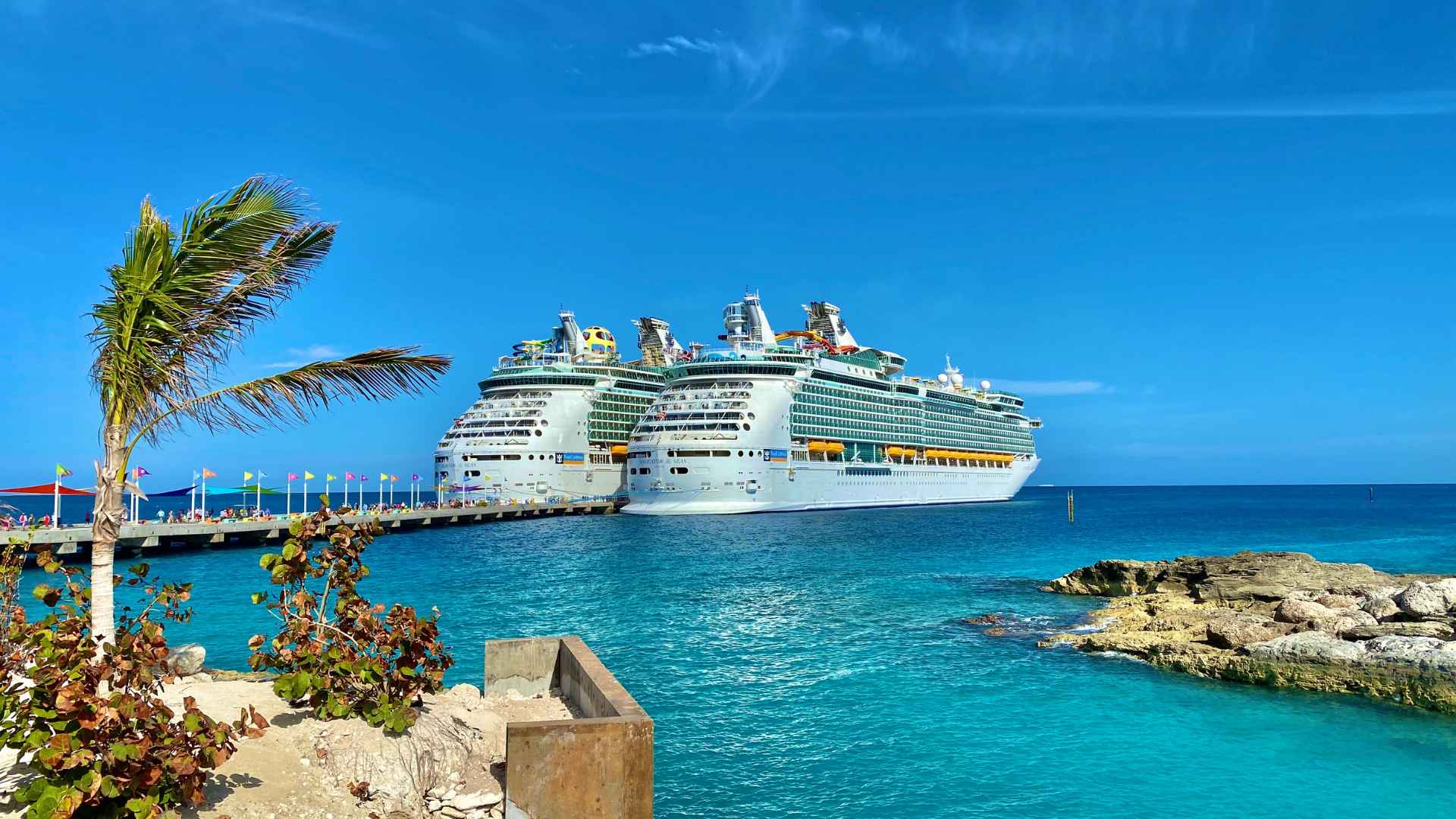
A map can make two islands appear easy to combine. The real route may involve airport waits, immigration, boat schedules, and another hotel check-in.
Island hopping works best when the second destination offers a clear change. It may add a different landscape, hotel style, or type of activity.
Choose One Island for Shorter Trips
One base usually works better for trips under a week. Travelers keep the same room and avoid losing another day to movement.
Use Two Islands When the Contrast Is Clear
A longer vacation may support two islands when the connection is reliable. Compare the added experience with the time required to reach it.
Before adding another island, review these points:
The door-to-door travel time between hotels.
The baggage and transfer arrangements.
The activities available only on the second island.
The number of full days remaining after both travel days.
Use Official Information Before Finalizing the Trip
Island rules, transport schedules, and seasonal services can change. Confirm current details close to booking and again before departure.
Official destination websites provide useful starting points for island planning.
Visit Barbados for accommodations, activities, and entry information.
Experience Turks and Caicos for island access and visitor guidance.
Saint Lucia Tourism Authority for regions, accommodations, and activities.
Anguilla Tourist Board for hotels, villas, dining, and island information.
Official information supports the plan, but it does not choose the best fit. The final choice still depends on the traveler’s time, priorities, and preferred level of activity.
Frequently Asked Questions
Which Caribbean Island Is Best for a Luxury Winter Trip?
The best island depends on flight time, hotel style, beach conditions, and planned activities. Barbados offers variety, while Anguilla may suit quieter stays. Saint Lucia supports active trips, and Turks and Caicos often works well for families.
How Many Nights Should a Caribbean Winter Vacation Last?
Five to seven nights works for many Caribbean vacations, especially when flights are direct. Longer routes or multi-island plans need more time. A short trip benefits from simple transfers and one well-chosen base.
Is a Caribbean Villa Better Than a Resort?
A villa offers privacy and shared living space, but it needs a clear service plan. A resort may simplify dining, activities, and family logistics. The better choice depends on group size and daily priorities.
When Should Travelers Book a Caribbean Winter Escape?
Begin early when holiday dates, connecting rooms, large villas, or specific suites matter. Air schedules and hotel policies can change, so confirm each detail before payment and review the arrangements again before travel.
Should a Caribbean Trip Include More Than One Island?
Two islands can work when transfers are reliable and the trip is long enough. However, every move adds packing and lost time. One island often provides a better experience during a shorter winter vacation.
Plan a Caribbean Winter Escape That Fits the Traveler
The Edited Traveler compares islands, accommodations, flights, transfers, and daily plans around each client’s priorities. Contact The Edited Traveler to discuss a winter trip that works for the people taking it.