
Paris, Rome, and London earn their reputations for good reason. But a European itinerary does not have to begin and end with the most familiar names. Some travelers want a slower pace, fewer crowds, or a destination that still feels distinct after they have already covered the major cities.
The right choice depends less on how famous a place is and more on how you want the trip to feel. Here are seven destinations worth considering, and what each one actually offers.
What Makes a Destination Worth Adding to a European Itinerary?
A destination can look appealing on its own and still make little sense once you factor in flights, transfers, hotel quality, and how it fits with the rest of your trip.
A few things worth weighing before adding a new stop:
- Access. How easily does it connect to the cities already on your route?
- Pacing. Does it deserve two nights, or would one be enough to see what makes it worth visiting?
- Season. Some smaller destinations shine in shoulder season and feel very different in peak summer.
With that in mind, here is where each of these seven places actually fits.
Albarracín, Spain
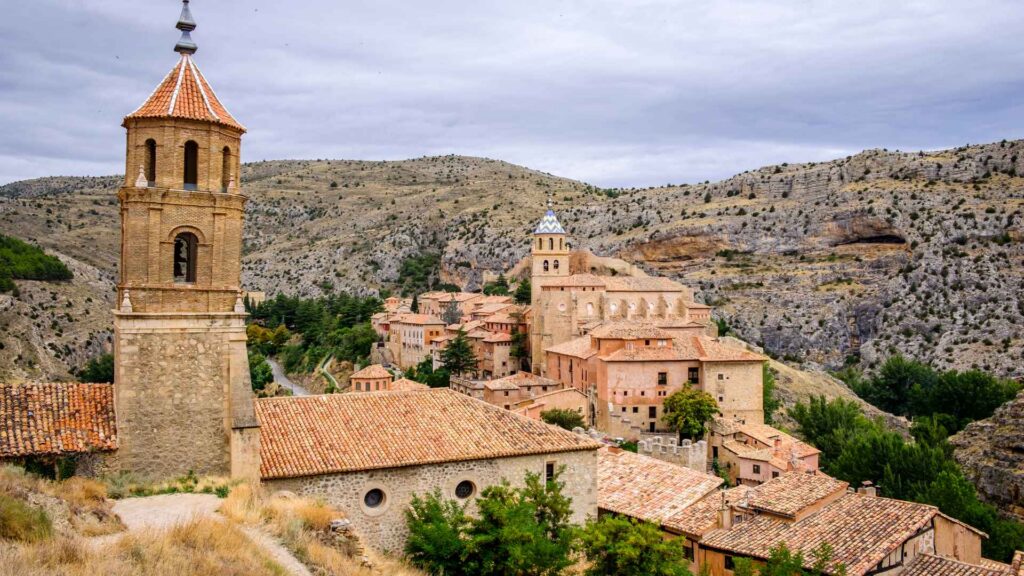
Albarracín is a medieval town in eastern Spain, known for pink-hued walls and narrow cobblestone streets that make it feel frozen in an earlier century.
Best for: travelers who want a slower, scenic stop between larger Spanish cities like Madrid or Valencia.
The town itself is compact, so a night or two is usually enough to walk the old city walls and explore the surrounding hiking trails. What we would consider is how it fits into a wider Spain itinerary, since it sits somewhat off the main rail corridors and often works best with a private transfer.
Plovdiv, Bulgaria
One of Europe’s oldest continuously inhabited cities, Plovdiv pairs Roman ruins with a genuinely lived-in old town.
Best for: travelers curious about Eastern Europe who want history without the crowds of more established capitals.
The Roman Theatre and the cobbled streets of the Old Town reward unhurried exploration. What we would consider here is timing the visit around Plovdiv’s growing arts scene in the Kapana Creative District, which shifts the trip from purely historic to genuinely current.
Kotor, Montenegro
Set between dramatic mountains and the Adriatic Sea, Kotor often gets overshadowed by its more famous neighbor across the border in Croatia.
Best for: travelers who want Adriatic scenery without making the entire trip about beach clubs or resort life.
The old town is compact and walkable, and the surrounding bay adds real drama to the setting. What we would consider is cruise ship traffic, which can crowd the old town midday, along with hotel location and whether the trip should include time out on the Bay of Kotor itself.
Timisoara, Romania
Known as Little Vienna, Timisoara offers baroque architecture and a café culture that feels distinctly Central European.
Best for: travelers who enjoy architecture and a slower city pace, without the density of Vienna or Budapest.
Union Square and Victory Square anchor most of the walking, and the Bega Canal adds a pleasant stretch for an evening stroll. What we would consider is how this pairs with a wider Central or Eastern Europe route, since it connects well by rail to both Budapest and Belgrade.
Mostar, Bosnia and Herzegovina
Mostar is best known for its Old Bridge, rebuilt after the war and now one of the most photographed spots in the region.
Best for: travelers interested in a destination shaped visibly by history, paired with striking river views.
The Old Bazaar and a day trip to Blagaj Tekke round out a short stay well. What we would consider is pacing this alongside Dubrovnik or Split, since Mostar works best as a deliberate day trip or overnight rather than a rushed stop.
Lecce, Italy
Sometimes called the Florence of the South, Lecce brings Baroque architecture and a noticeably slower pace than Italy’s northern cities.
Best for: travelers who want strong food culture and architecture without building the entire trip around Rome, Florence, or Venice.
Lecce also serves as a natural gateway into Puglia, giving access to the countryside and coast beyond the city itself. What we would consider is pairing a Lecce stay with time in the surrounding region, since the city alone is best explored over a relaxed two or three days rather than a quick pass-through.
Ghent, Belgium
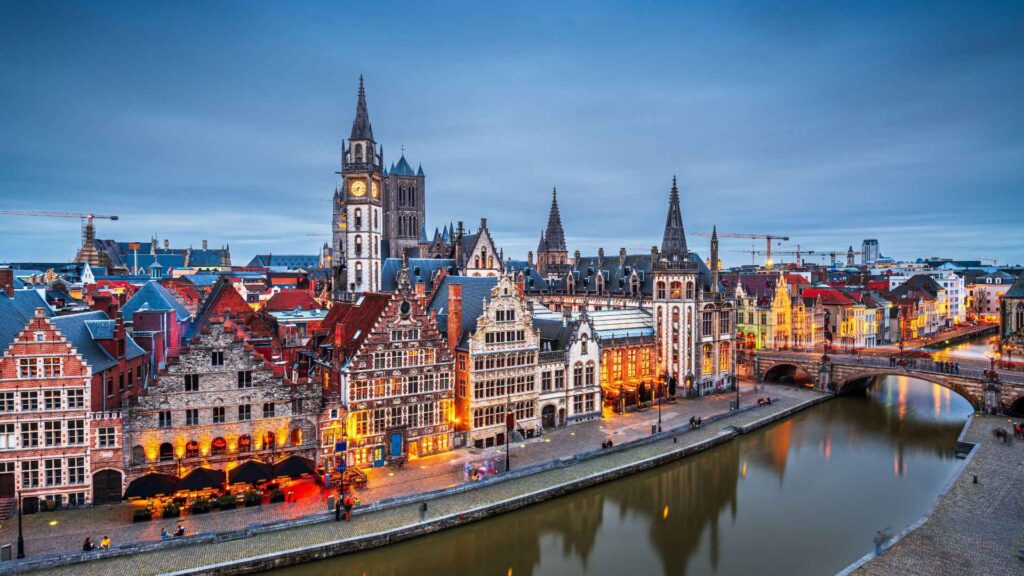
Brussels and Bruges tend to absorb most of the attention in Belgium, but Ghent offers medieval architecture with a livelier, more current feel.
Best for: travelers who want to add a distinct stop to a Belgium itinerary rather than another night in Brussels or Bruges.
Gravensteen Castle and the canal-side streets give Ghent its own character, separate from its more visited neighbors. What we would consider is how Ghent fits into the overall route, since it sits close enough to both cities to work as an easy addition rather than a detour.
How to Choose Between These Destinations
Not every destination on this list belongs in the same trip. Choosing between them comes down to a few practical questions.
Consider how much time you actually have, since a place like Albarracín rewards a slower visit while Ghent can work well as a shorter addition. Consider flight and rail access, since some of these destinations connect easily to major hubs while others require more deliberate routing. And consider how much activity versus downtime you want, since a coastal stop like Kotor invites a different pace than a city-focused stay in Plovdiv.
The goal is not to add as many stops as possible. It is choosing the ones that genuinely earn their place in your itinerary.
When a Lesser-Known Destination Does Not Make Sense
Sometimes adding a smaller destination creates a routing problem rather than solving one. A stop that requires an extra flight connection, an awkward transfer, or a hotel change for only one night can cost more in time and comfort than it adds in experience.
This is worth weighing honestly. A destination that looks appealing on a list does not always deserve a place in your specific trip, especially if it disrupts the flow of everything else you have planned. This kind of trade-off comes up often in corporate and group travel planning as well, where adding one more stop affects everyone on the itinerary, not just one traveler.
Frequently Asked Questions
Which European destinations are less crowded than Paris or Rome?
Places like Plovdiv, Timisoara, and Mostar see far fewer visitors than Europe’s major capitals, while still offering strong architecture and history.
Where should I go in Europe if I have already visited the major cities?
Consider destinations that pair naturally with cities you already know, such as Kotor near Croatia or Lecce near Rome and Naples.
How many nights should I spend in a smaller European city?
It depends on the destination. Compact towns like Albarracín or Ghent often work well with one or two nights, while Lecce rewards a longer stay of two to three nights.
Are lesser-known European destinations harder to reach?
Some require more deliberate routing than major capitals, but most connect well by rail or a short flight from larger hubs.
Which European destinations work well for a second or third trip?
Destinations like Kotor, Mostar, and Timisoara suit travelers who have already covered the major circuit and want something with a different pace.
Can a luxury travel advisor help combine smaller destinations into one itinerary?
Yes. An advisor can weigh routing, hotel quality, and pacing to determine which destinations genuinely fit together in one trip.
The Bottom Line
The most interesting European itinerary is not always the one with the most famous stops. It is the one that fits your pace, interests, and reason for traveling. The Edited Traveler considers each destination as part of the wider trip, from routing and hotel choice to how long each place deserves. Begin your inquiry when you are ready to shape the right itinerary.